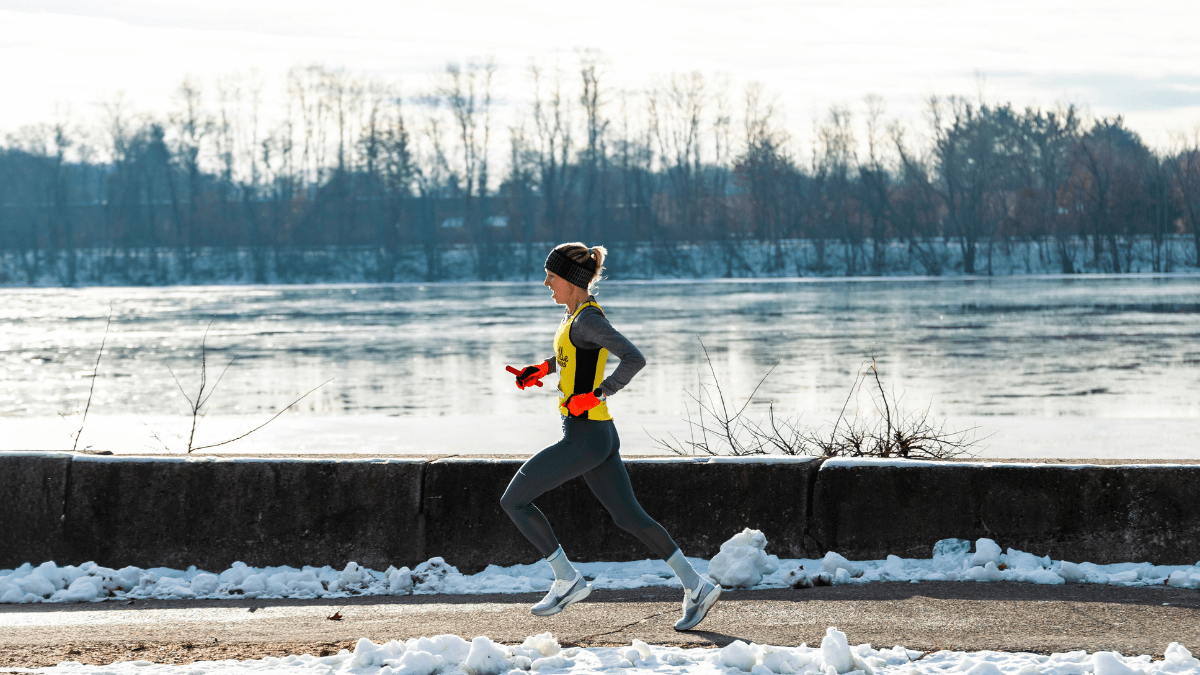
When Running Became Easier Than Walking
He begged to go on the bike. You said yes, because the fresh air would do you both good and you are an optimist.
Or possibly because you had genuinely forgotten what happened the last time.
But here you are again only at the halfway point of what was supposed to be a relaxing walk, and the word relaxing is starting to irritate you.
The bike — which was a source of considerable excitement only twenty minutes ago — has become a problem.
He has stopped completely, leaning the top half of his small body across the handlebars, belly resting on the bar, helmeted head lifted slowly as he surveys the incline ahead — a gentle, barely‑there suggestion of a hill. A slope. A mound. The kind that would not register on any map. After a moment of serious consideration, it is formally declared “too tall.”
You are not on a leisure activity. You are accompanying a small, helmeted adventurer with strong opinions and no interest in completing the route.
You try reasoning with the adventurer.
You explain that the hill is not, in fact, too tall.
You stop yourself from saying well this is why I wanted to go the other way — but you’re the parent, so you stop yourself.
You take a breath. You explain that you are nearly there. You explain that his legs are strong and that he can do hard things. Your inner Ms Rachel emerging.
You attempt enticement.
“Look, up ahead — there’s a… bin.”
In hindsight, you could probably have done better than that.
The adventurer is unconvinced.
He would like to go home. He would like to go home right now, please.
He starts calling for the car.
Despite the fact that no car is available.
That you are on foot.
That this is a walk.
You keep moving. Of course you do.
Then you see the bench.
It’s a good bench. Nestled under a tree. You start to romanticize it.
Solid.
Well positioned. A patch of sun falling across it at exactly the right angle.
You feel something shift in your chest — the faint possibility of a moment.
You try to sell sitting on it to the little adventurer.
Wouldn’t that be lovely to have a little sit, you say, in the voice you use when you are pretending something was his idea all along.
He is three years old and already an excellent negotiator, and for a moment it seems like he is going to decline. Something passes across his face.
And then he climbs up.
His small legs don’t reach the ground. They dangle, swinging slightly. His big helmet is still on his head because removing the helmet would imply a level of commitment to staying that has not yet been formally agreed.
You sit beside him.
You look at him — this small person, feet swinging, helmet slightly askew, face tipped toward the sun without knowing why.
It’s so cute.
Mamaaaa, he says. Let’s gooooo.
The go lasting longer than one syllable should.
You stand up.
You keep moving. Of course you do.
Across the road, a dog is having a completely different afternoon.
Not your dog — some stranger’s dog. A dog with nowhere in particular to be and no one making any demands of him.
He is moving at his own pace, nose down, investigating something of personal significance on the pavement. Leisurely in the way that only a creature with no agenda can be leisurely.
He looks, if you are being totally honest with yourself, more relaxed than you.
He doesn’t notice you watching him.
He has things to smell.
When did running become easier than walking? When it doesn’t involve negotiation.
A woman you know took up running recently. She is in her early fifties.
“I have never even run for a bus before,” she says.
Here is what she had figured out after one too many walks.
When you say you are going for a walk, there is a process.
There are questions.
Other people who would quite like to come too.
By the time you have assembled everyone, located the helmet, argued about the bike, and explained that yes, you do in fact need a coat, you are already tired — and you haven’t left the house yet.
But when you say you are going for a run?
Nobody asks to come.
Not the children.
Not the dog.
Not the husband.
There is something about the word run — the implied suffering, the suggestion of effort, the vague performance of athleticism — that communicates, efficiently and without further discussion, that this is not a group activity.
Nobody wants to come on a run.
Nobody feels left out of a run.
A run, it turns out, is the single most effective way for a woman to get alone time as a mother without having to explain herself to anyone.
She figured this out. It took a significant number of miles to get there.
Honestly, fair enough.
So she hid the kids’ running shoes.
Hid the dog’s lead.
She is slow, she says.
But she is faster than not doing anything.
She is faster than the bench that almost gave her four seconds of quiet.
She is out there, alone, going at her own pace.
The dog across the road would understand.